Securing professional pest control services in Baton Rouge provides homeowners with structural defense against regional pressure from subterranean termites, domestic rodents, and persistent moisture-seeking insects. East Baton Rouge Parish presents an environment where high humidity, alluvial soils, and long warm seasons accelerate insect breeding cycles across residential properties.
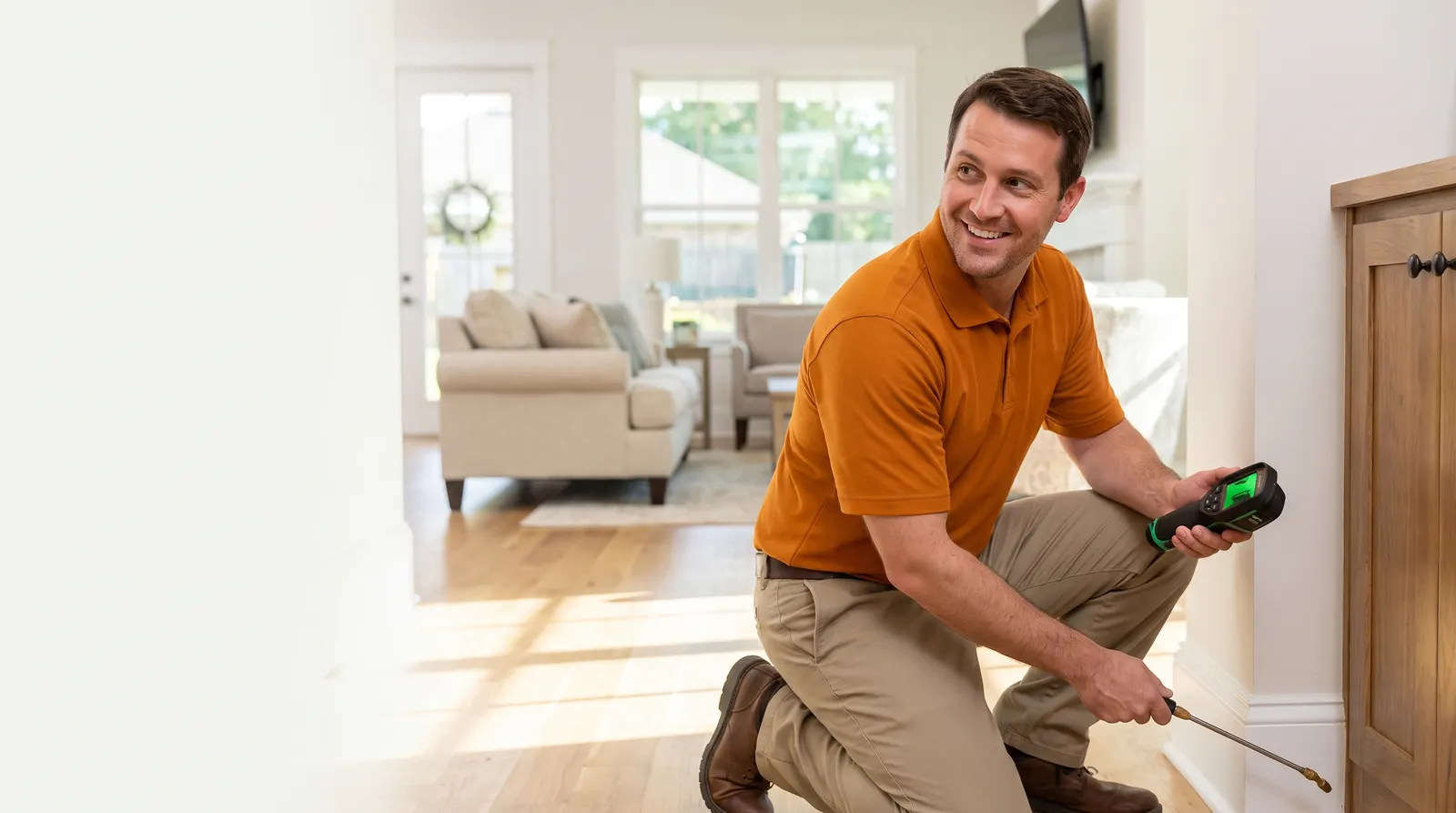
A professional pest control services company in Baton Rouge is a specialized environmental management service that inspects, identifies, and eradicates residential and commercial insect and rodent populations using targeted barrier treatments.
Every service reflects the same meticulous attention to detail, whether it's a single job or a larger pest control services project across Baton Rouge.
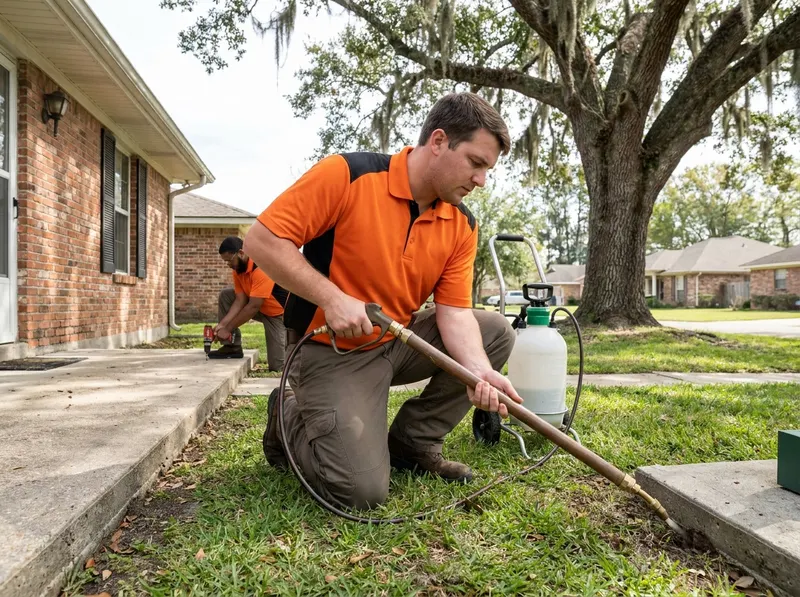
Soil-applied non-repellent termiticide barriers and calibrated bait monitoring systems intercept Formosan and native subterranean colonies before structural wood framing incurs damage. Field technicians excavate narrow six-inch trenches along exterior foundation perimeters, applying four gallons of finished dilution per ten linear feet to saturate subterranean access paths. For homes constructed on floating or monolithic slabs, targeted concrete drilling along interior expansion joints and garage aprons deposits protective material beneath underlying fill dirt. In historical crawlspace foundations, pier blocks receive dedicated trenching and sub-membrane applications to arrest termite tube construction. Precision electronic moisture meters and optical borescopes detect concealed galleries behind baseboards and sheetrock without destructive structural demolition. Properties located near water bodies receive low-impact baiting arrays spaced at twenty-foot intervals, containing cellulose matrices treated with chitin synthesis inhibitors that foraging worker termites carry back into the primary subterranean nest to arrest the colony molting cycle.
Get a quote →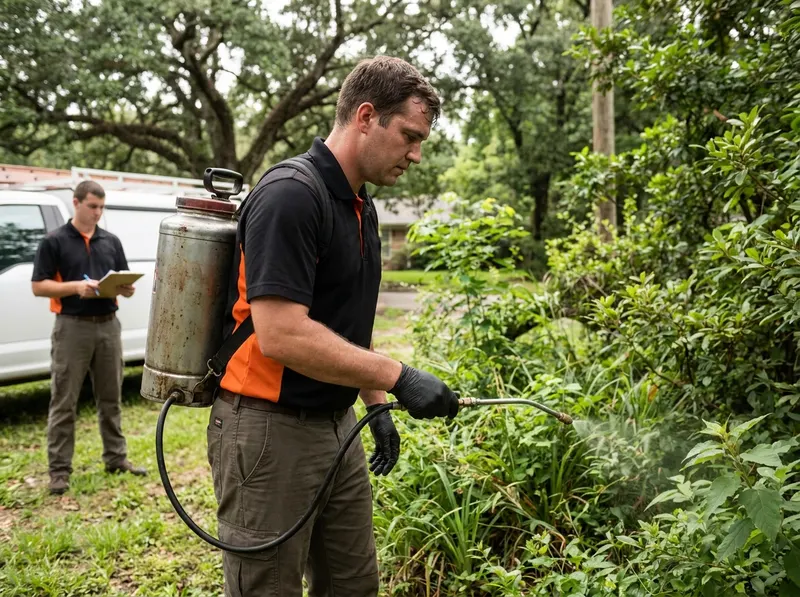
Foliage barrier applications targeting the undersides of broadleaf plants combined with biological larvicide applications in non-draining areas suppress breeding cycles through October. High-pressure mist blowers deliver micro-droplets of botanical pyrethrum and encapsulated synthetic compounds directly to shaded resting harborages, including boxwoods, azaleas, ligustrums, and low-hanging tree branches up to fifteen feet high. Larval suppression relies on Bacillus thuringiensis israelensis biological briquettes applied to non-flowing drainage ditches, retention ponds, corrugated gutter downspout extensions, and ornamental fountain catch basins to kill larvae within twenty-four hours without harming beneficial aquatic organisms. Technicians conduct property inspections to identify hidden moisture reserves, such as hollow fence posts, shaded plant saucers, and accumulated yard debris holding stagnant rainwater. Calibrated residual barriers withstand torrential subtropical rainfall, maintaining adult knockdown efficacy for twenty-one to twenty-eight days across residential yards in humid environments.
Get a quote →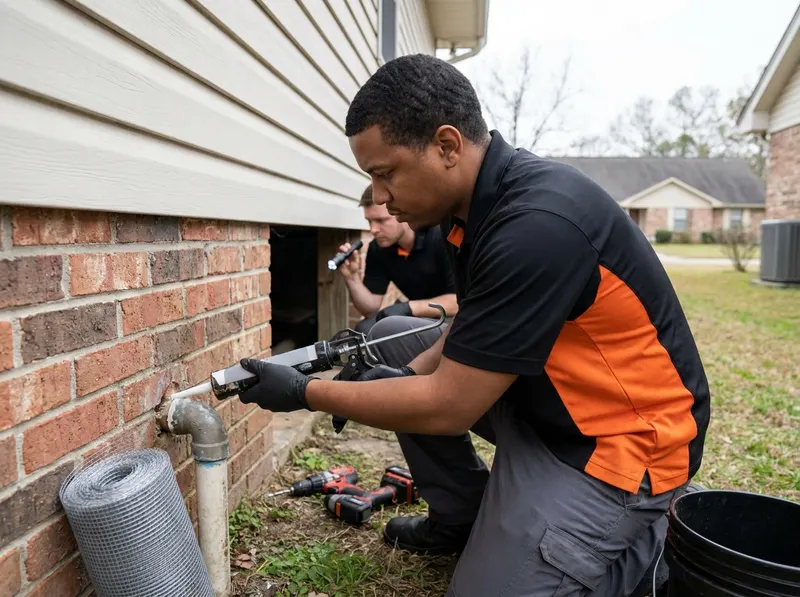
Complete structural inspections identify roof rat and house mouse runways, followed by mechanical interior trapping and permanent exterior sealing of structural weep holes and pipe penetrations. Technicians inspect roof ridges, plumbing vent stacks, soffit returns, crawlspace vents, and air-conditioning line-set chaseways to map biological rub marks, gnaw patterns, and fecal deposits. Exterior exclusion utilizes twenty-gauge galvanized welded wire mesh, copper mesh, and elastomeric structural sealants to close every opening larger than one-quarter inch, denying pests mechanical entry into wall voids. Attic crawlspaces receive targeted snap-trapping regimens deployed inside tamper-resistant catch stations positioned along primary structural beams and insulation runways, avoiding interior poison baits that cause indoor rodent mortality and secondary odor issues. Comprehensive sanitation protocols vacuum dry droppings using HEPA-filtered extraction equipment and mist contaminated insulation with hospital-grade enzymatic biocides to neutralize bacterial pathogens and pheromone tracking trails.
Get a quote →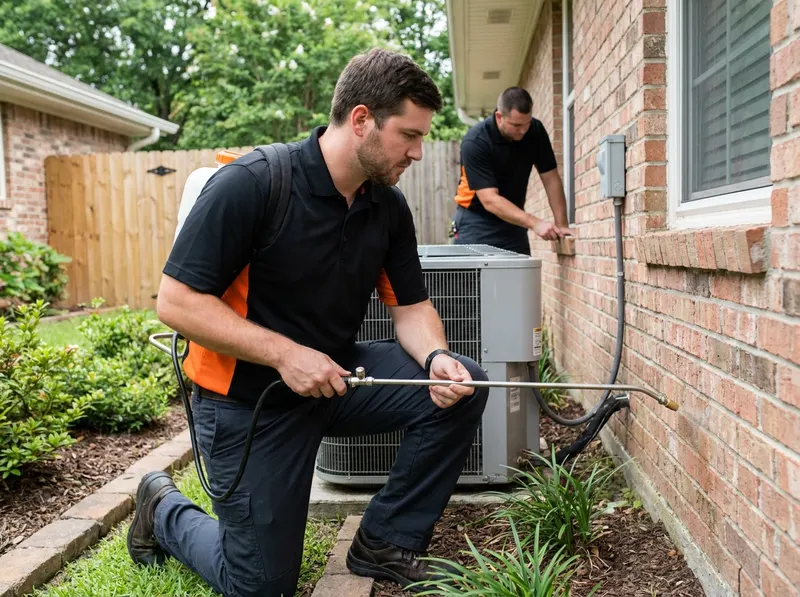
Exterior perimeter treatments and plumbing void micro-dust applications neutralize large peridomestic cockroaches drawn to high indoor humidity and structural drain lines. Technicians apply micro-encapsulated suspensions along the structural foundation, establishing a three-foot vertical and six-foot horizontal barrier across foundation beds, mulch lines, and brick weep weep weep holes. Specialized precision bellows dusters deposit inorganic moisture-resistant silica dust and synthetic pyrethroids inside exterior crawlspaces, hollow plumbing wall voids, sub-floor pipe chases, and electrical outlet utility boxes. Municipal sewer connection zones, outdoor water meter boxes, and perimeter drainage grates receive botanical water-resistant granular baits designed to target breeding peridomestic clusters before roaches navigate interior sewer lines. Routine treatments inspect floor drains and structural plumbing traps, ensuring dry seals do not allow sewer-dwelling insects to surface directly into residential bathrooms and utility rooms during sustained atmospheric low-pressure shifts.
Get a quote →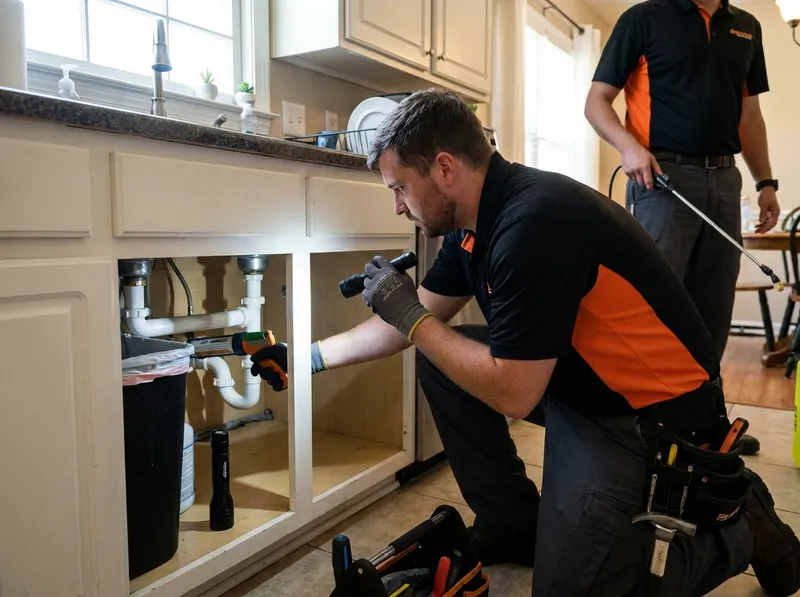
Intensive multi-step remediation utilizes precise insect growth regulators and target-specific non-volatile gel baits to eliminate breeding colonies inside kitchen cabinetry and electrical appliances. Technicians execute high-intensity inspections using lighted optical mirrors to inspect cabinet hinge joints, refrigerator compressor housings, microwave electrical chassis, and under-sink plumbing collars. Remediation begins with mechanical HEPA-vacuum extraction to physically remove aggregate nymph, adult, and egg capsule populations from tight structural crevices without aerosolizing allergen proteins. Small micro-dots of abamectin or indoxacarb gel bait are deposited directly into harborage hinges and hidden wall joints, avoiding food preparation surfaces and preventing chemical drift into cooking utensils. Liquid juvenile hormone mimics disrupt reproductive lifecycles by sterilizing mature adults and preventing immature nymphs from successfully molting into breeding stages, breaking continuous structural cycles within thirty days.
Get a quote →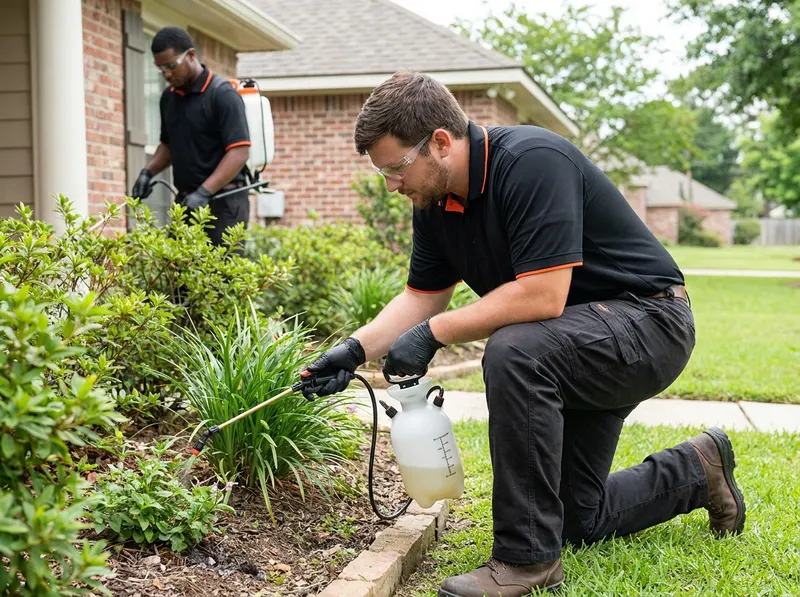
Species-specific non-repellent micro-baits control polygyne Argentine ants and odorous house ants by transferring active ingredients directly through foraging lines to queen clusters. Rather than utilizing fast-acting contact sprays that cause structural ant colonies to fracture into independent breeding satellites, technicians utilize slow-acting liquid and matrix baits engineered with fipronil or spinosad. Exterior worker trails traversing foundation walls, tree branches, and expansion joints are mapped back to subterranean and landscape mulch bedding nests. Targeted perimeter drenches utilize non-repellent liquid soil compounds along exterior stem walls, ensuring foraging workers inadvertently collect active ingredients on their cuticles and distribute the toxin throughout the central colony through grooming and food-sharing behaviors. Technicians also locate and treat indoor entry apertures around baseboard heaters, window sills, and electrical conduits to seal structural pathways and eliminate foraging trails entering food preparation zones.
Get a quote →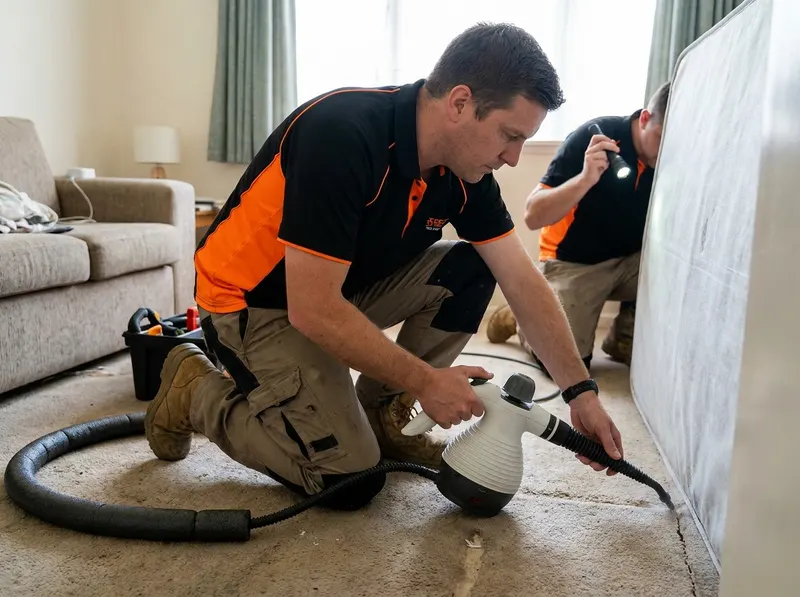
Integrated mattress, baseboard, and furniture interventions combine thermal surface remediation with residual micro-crack structural treatments to eradicate all life stages. High-temperature structural dry steam reaching over two hundred degrees Fahrenheit penetrates mattress seams, box spring coils, upholstered furniture frames, and carpet tack strips to achieve instantaneous mortality of eggs, nymphs, and adults. Technicians dismantle bed frames to apply long-lasting amorphous silica aerogel into structural screw holes, headboard brackets, and electrical faceplate boxes, creating a lethal physical desiccant barrier that dehydrates passing insects. Mattresses and box springs receive lab-tested, tear-resistant encasements featuring micro-zipper designs that lock remaining insects inside and eliminate new perimeter harborage sites. Follow-up diagnostic inspections utilizing passive harborage interceptors beneath furniture legs confirm complete structural elimination over a minimum sixty-day monitoring interval.
Get a quote →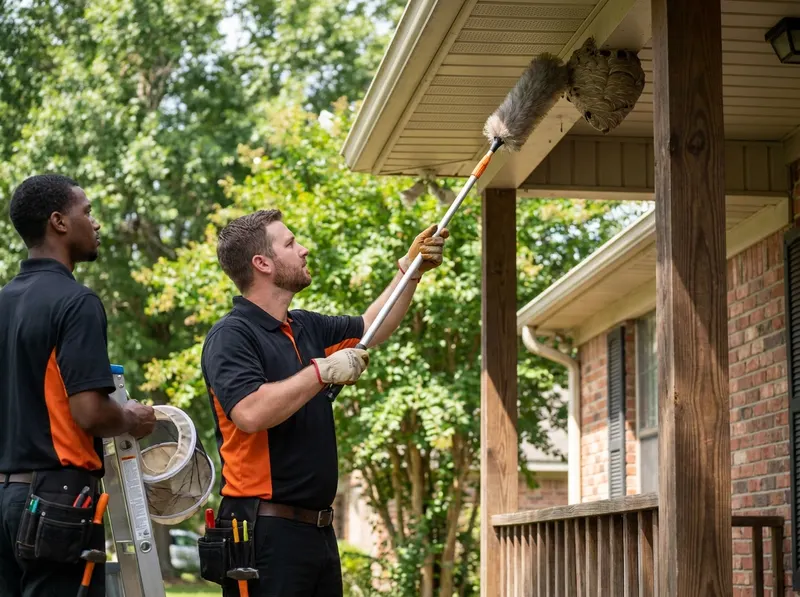
Direct removal of aerial paper wasp nests, ground yellowjacket burrows, and exterior eave hornet colonies prevents defensive stinging incidents around outdoor living areas. Technicians utilize insulated telescoping delivery equipment to apply targeted pyrethroid freezing agents directly into paper wasp nests built beneath architectural roof eaves, second-story dormers, and patio overhangs. Concealed subterranean yellowjacket nests located inside lawn depressions, tree root cavities, and exterior landscape retaining walls receive localized micro-dust applications that disperse through subterranean nesting galleries to neutralize aggressive workers and the primary egg-laying queen. Mud dauber nest structures adhered to exterior brick surfaces, window frames, and garage walls are mechanically scraped clean, followed by localized residual surface washing to remove attractive visual pheromones. Protective equipment safeguards service professionals during daylight extractions, ensuring structural areas surrounding high-traffic entry doors remain safe for immediate domestic residential use.
Get a quote →You get a firm, itemized quote for your pest control services before any work begins, no surprises, no pressure.
Careful prep, tidy work, and a full cleanup when we are done. We treat your home and belongings like our own.
The same trusted, background-checked team from the first call to the final check.
Selecting structural treatment methods depends on the specific biological target, the age of the structure, and the severity of intrusion. For wood-destroying insect prevention, continuous liquid soil non-repellent termiticide barriers offer long-term containment for monolithic slab homes, whereas bait station networks suit properties surrounded by complex hardscaping or near water bodies; the trade-off involves invasive trenching around plant beds for liquid treatments versus periodic monitoring intervals for bait stations. For routine insect management, quarterly exterior-only integrated barrier applications maintain protection around the foundation without introducing chemical compounds into interior living quarters, whereas active indoor infestations require targeted micro-crack injections combined with interior insect growth regulators; the trade-off is scheduling indoor access and short re-entry waiting intervals for interior applications versus zero-disruption perimeter maintenance.
For rodent intrusions, physical exclusion sealing with heavy-gauge hardware cloth provides permanent structural closure, whereas mechanical trapping schedules reduce existing populations within attics and crawlspaces; the trade-off is higher upfront labor costs for building envelope sealing compared to lower-cost ongoing trapping that leaves unsealed entry gaps exposed to future migrations. For mosquito management, automated micro-misting systems provide consistent mechanical suppression across dense landscape perimeters, whereas scheduled monthly backpack fogging provides localized botanical knockdown before major outdoor gatherings; the trade-off is higher initial equipment infrastructure investment for automated systems versus recurring technician visits for backpack applications. In cases of aggressive pantry or structural infesting ants, slow-acting liquid baiting transfers non-repellent active ingredients through the colony matrix over two weeks to achieve queen mortality, whereas perimeter contact sprays provide immediate knockdown of exterior foraging trails; the trade-off is tolerating temporary worker activity while bait distributes versus risking colony budding and satellite nest proliferation behind drywall voids caused by fast-acting repellents.
Homeowners evaluating German cockroach treatments face a choice between extensive gel baiting with insect growth regulators and whole-structure cleanouts; baiting requires zero structural evacuation and preserves indoor air quality, whereas broad-spectrum flushing agents force insects out of deep voids rapidly but require occupants and household pets to vacate living areas for a minimum of four hours while interior air exchanges complete.
Every project gets a firm, written price after a free on-site visit. Ranges below for orientation.
Tell us about your pest control services job and we'll send a clear, written quote, usually the same day. Or just call and talk to a real Baton Rouge pro.
(225) 495-3852
Properties throughout East Baton Rouge Parish face severe biological pest pressure driven by subtropical humidity, dense tree canopies, and poorly drained alluvial soil structures. In neighborhoods like the Garden District and Spanish Town, mature root systems and historical raised-pier framing create hidden moisture conduits for Formosan subterranean termites, which swarm aggressively each spring along Highland Road and around University Lakes. Further east in Shenandoah and Inniswold, expansive residential slab constructions and high seasonal rainfall create ideal breeding terrain for roof rats nesting in attic insulation and persistent Argentine ant supercolonies invading plumbing voids. Along older corridors like Mid City and Broadmoor, aging municipal sewer lines and heavy tree canopies foster large populations of American cockroaches and carpenter ants, which exploit weathered window sills and unsealed exterior brick fascia during sustained summer heatwaves. Neighborhoods adjacent to the Mississippi River levee and local bayous, including Southdowns and University Hills, experience intense seasonal mosquito pressure that thrives in slow-draining roadside swales and shaded residential shrubbery. The high water table across East Baton Rouge Parish prevents subterranean soil termiticides from remaining effective without strict adherence to proper trenching depth and continuous non-repellent chemical bonding. Heavy clay soils, known locally as Mississippi River alluvium, expand and contract between torrential rain events and summer dry spells, cracking exterior foundation seals and opening direct structural highways for domestic rodents seeking interior refuge.
Free estimates for Baton Rouge & the surrounding area.
 Zenvirox Pest Solutions